INFRASTRUCTURE · AUTOMATION · RELIABILITY
Deployment should bethe boring part.
Release risk is a design problem. We build the pipelines, infrastructure automation and observability that turn deployment from an event into a routine, and keep the systems underneath legible when something does break.
CAPABILITIES
What we actually build.
Infrastructure as code, CI/CD, observability and reliable deployment pipelines.
01
DevOps consulting
Assessment of how software currently reaches production, and the specific changes that would reduce release risk most.
02
Cloud migration
Moving workloads to cloud infrastructure with the target architecture designed first, rather than lifting the existing topology unchanged.
03
DevOps transformation
Changing how teams build and release: ownership, environments and feedback loops, not only tooling.
04
Infrastructure management
Ongoing operation of cloud environments, with capacity, cost and access managed deliberately.
05
Infrastructure as code
Environments defined in version control so they can be reviewed, reproduced and rolled back like any other change.
06
CI/CD
Pipelines that build, test and deploy on every change, with the path to production identical for every release.
07
Automation
Removing the manual steps that only one person remembers and that fail under time pressure.
08
Security
Secret management, least-privilege access and dependency scanning wired into the pipeline rather than audited afterwards.
09
Observability
Logging, metrics and tracing designed so an incident can be diagnosed from the data already being collected.
OUTCOMES
What changes when this is done well.
Releases that are routine
Smaller, more frequent deployments with a rollback path that has actually been tested.
Reproducible environments
Infrastructure defined in code, so staging genuinely resembles production.
Shorter time to diagnosis
Instrumentation that answers the question during the incident rather than after it.
Cost you can see
Cloud spend attributed to workloads, so optimisation targets something specific.
TECHNOLOGY
The stack we work in.
Cloud & DevOps
Infrastructure, automation and the path from commit to production.
- AWS
- Azure
- Google Cloud
- Docker
- Kubernetes
- Terraform
- Jenkins
- Git
- Bitbucket
Product
Application and service engineering across web platforms.
- React
- Next.js
- TypeScript
- JavaScript
- Node.js
- Express
- ASP.NET
- Laravel
- Ruby on Rails
- Vue.js
- Nuxt
- Tailwind CSS
SELECTED WORK
Where this has shipped.
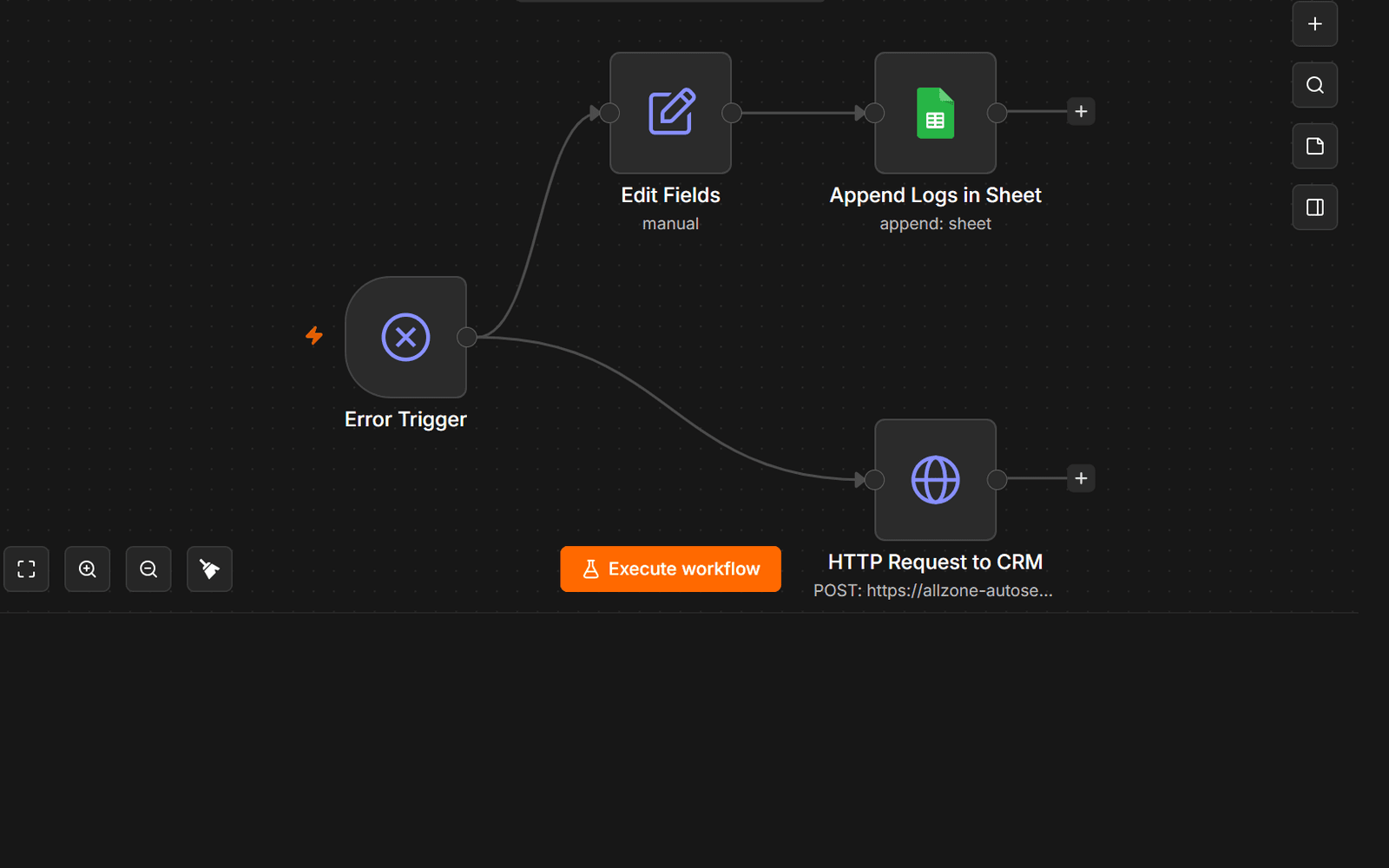
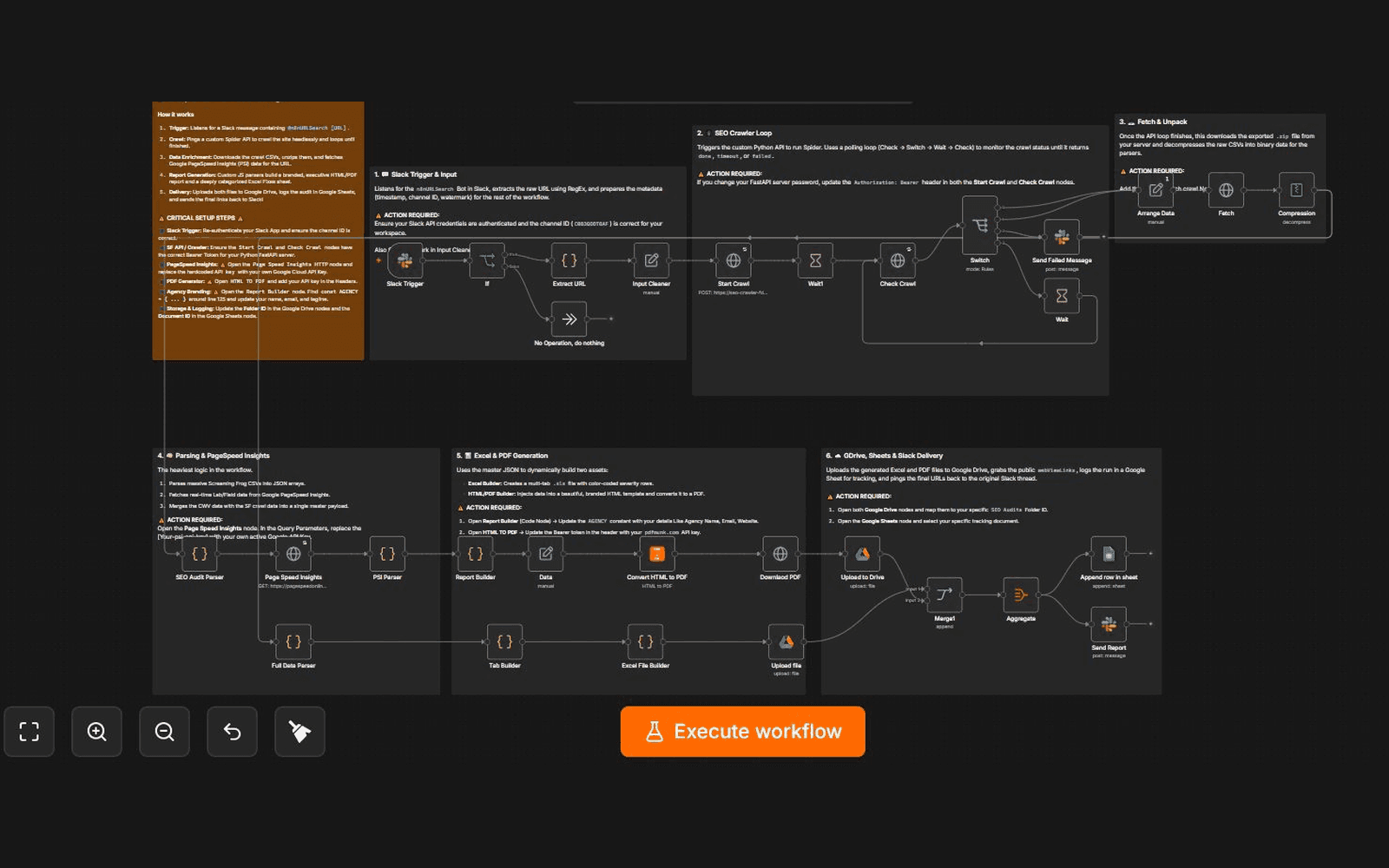

RELEVANT INDUSTRIES
Where domain knowledge changes the answer.
FinTech
Payments, lending and financial platforms where correctness is not negotiable.
Healthcare
Patient systems, clinical workflow and secure data infrastructure.
eCommerce
Custom commerce platforms, order management and marketplace systems.
Insurance
Policy, claims and risk systems where regulation and accuracy are the product.
TECHNICAL INSIGHTS & PRACTICES
Related engineering guides & regional practices.
FAQ
Common questions.
Building and operating the path from a code change to production: pipelines, infrastructure definitions, environments, monitoring and the operational response when something fails. It can be a one-off engagement to establish the foundations, or an ongoing arrangement.
The one your team can operate. We work primarily with AWS and Azure. Where there is no existing commitment, the deciding factors are usually the managed services your workload depends on and the skills already in the organisation.
By making it attributable first. Cost optimisation without per-workload visibility is guesswork; once spend is tagged to services and environments, the decisions about right-sizing, scheduling and commitment become straightforward.
NEXT STEP
Tell us what you're building.
Bring us the problem with its real constraints attached. We will tell you what we would build, and what we would not.