AI · AGENTS · MACHINE LEARNING
Production AI, engineeredfor business.
We design, build and integrate intelligent systems: autonomous agents, generative applications, retrieval pipelines and predictive models. Then we engineer the production software that has to run around them.
CAPABILITIES
What we actually build.
Agentic systems, generative AI and machine learning engineered into production software.
01
Agentic AI
Multi-agent systems that plan, use tools and complete real work. We build the orchestration, the guardrails and the human checkpoints that make autonomy safe to deploy.
- Workflow orchestration
- Tool and API calling
- Human-in-the-loop review
- Autonomous business processes
02
Generative AI
Enterprise LLM applications, copilots and generative workflows built on your own data, your own permissions and your own definition of a correct answer.
- Copilots
- Content and document generation
- Structured extraction
03
RAG & knowledge systems
Retrieval pipelines, enterprise search and vector infrastructure that keep model output grounded in source material you can point to.
- Chunking and indexing
- Hybrid retrieval
- Citation and grounding
04
AI product engineering
The step most prototypes never survive. We take a working demo and turn it into a secure, observable, scalable product with real auth, real limits and real support paths.
05
Voice & conversational AI
Voice agents, chat systems and NLP interfaces that hold a real-time conversation and hand off cleanly when they should.
- Real-time voice
- NLP and intent handling
- Telephony and chat channels
06
Model engineering
Machine learning where a model is genuinely the right tool. Forecasting, classification, recommendation and scoring, built on your historical data.
07
Computer vision
Object recognition, OCR and vision-enabled workflows, including document capture and inspection pipelines feeding downstream systems.
08
AI evaluation & MLOps
Evaluation harnesses, observability, drift monitoring and deployment pipelines. If you cannot measure model behaviour, you cannot ship it responsibly.
- Eval suites
- Tracing and observability
- Model lifecycle and rollout
09
AI data engineering
The pipelines, storage and governance production AI depends on, because most AI problems turn out to be data problems.
OUTCOMES
What changes when this is done well.
Fewer manual steps
Automating the parts of a workflow that were only ever manual because software could not read unstructured input.
Decisions with evidence
Grounded systems that show their sources, so the people accountable for a decision can check it.
Systems that survive contact with users
Rate limits, fallbacks, evaluation and observability built in from the start rather than bolted on after launch.
A path off the prototype
Architecture that lets you change model, vendor or approach without rewriting the product around it.
APPROACH
How the work runs.
- 01
Discover
We assess the workflow, the data and the constraints, then identify where intelligence changes the outcome and where conventional software is simply the better answer.
- 02
Define
A tailored strategy: requirements broken down, objectives set, success criteria written before anything is built, and an engagement model that fits how you work.
- 03
Develop
Engineering the intelligence layer and the production system together, in close collaboration, against the criteria agreed in the previous stage.
- 04
Deploy
Integration into the live environment with the technical responsibility handled, then continuous monitoring of performance and behaviour after launch.
REFERENCE ARCHITECTURE
What a production AI system actually contains
The model is one box in this diagram. Most of the engineering, and nearly all of the risk, lives in the layers around it. This is the shape most of our AI engagements converge on, adapted to the constraints of each business.
- L1 / INTERFACE
Experience
- Web and mobile clients
- Streaming responses
- Human review surfaces
- L2 / PRODUCT
Application
- Auth and permissions
- Session and history
- Rate limiting
- Audit trail
- L3 / AGENTS
Orchestration
- Planning and routing
- Tool and API calling
- Guardrails
- Fallback chains
- L4 / MODELS
Intelligence
- LLM providers
- Retrieval and ranking
- Predictive models
- Evaluation harness
- L5 / KNOWLEDGE
Data
- Ingestion pipelines
- Vector and relational stores
- Lineage and governance
- L6 / INFRASTRUCTURE
Platform
- Cloud infrastructure
- CI/CD
- Observability and tracing
- Cost controls
TECHNOLOGY
The stack we work in.
Intelligence
Model, agent and vision tooling used to build the intelligence layer.
- OpenAI
- LangChain
- Python
- PyTorch
- TensorFlow
- TensorRT
- OpenCV
- Deepgram
- ElevenLabs
- Perplexity
Data
Pipelines, storage and reporting infrastructure underneath analytics and AI.
- PostgreSQL
- MySQL
- MongoDB
- Redis
- Firebase
- Power BI
- Plotly
- Seaborn
- Dash
- Scala
Cloud & DevOps
Infrastructure, automation and the path from commit to production.
- AWS
- Azure
- Google Cloud
- Docker
- Kubernetes
- Terraform
- Jenkins
- Git
- Bitbucket
SELECTED WORK
Where this has shipped.
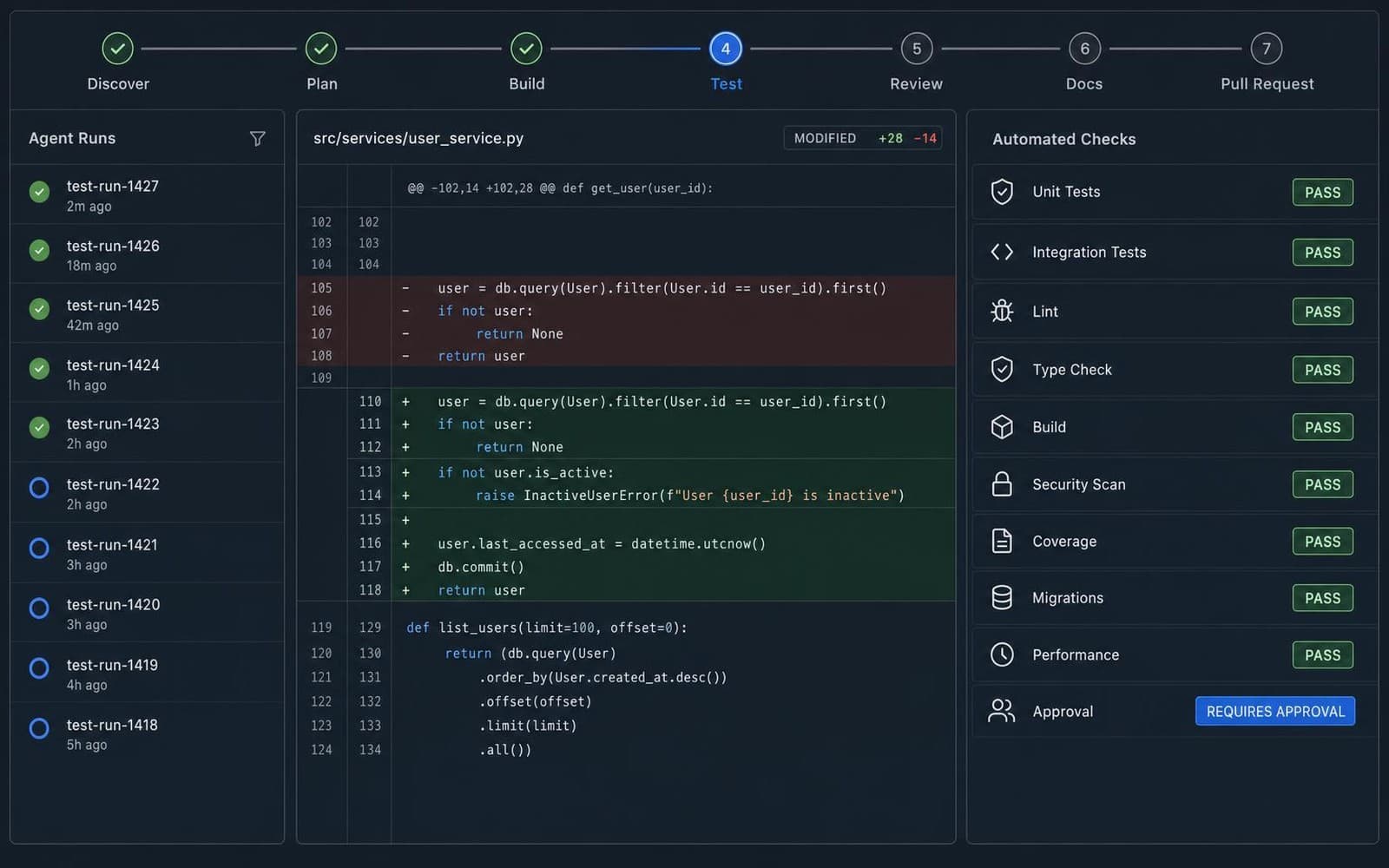
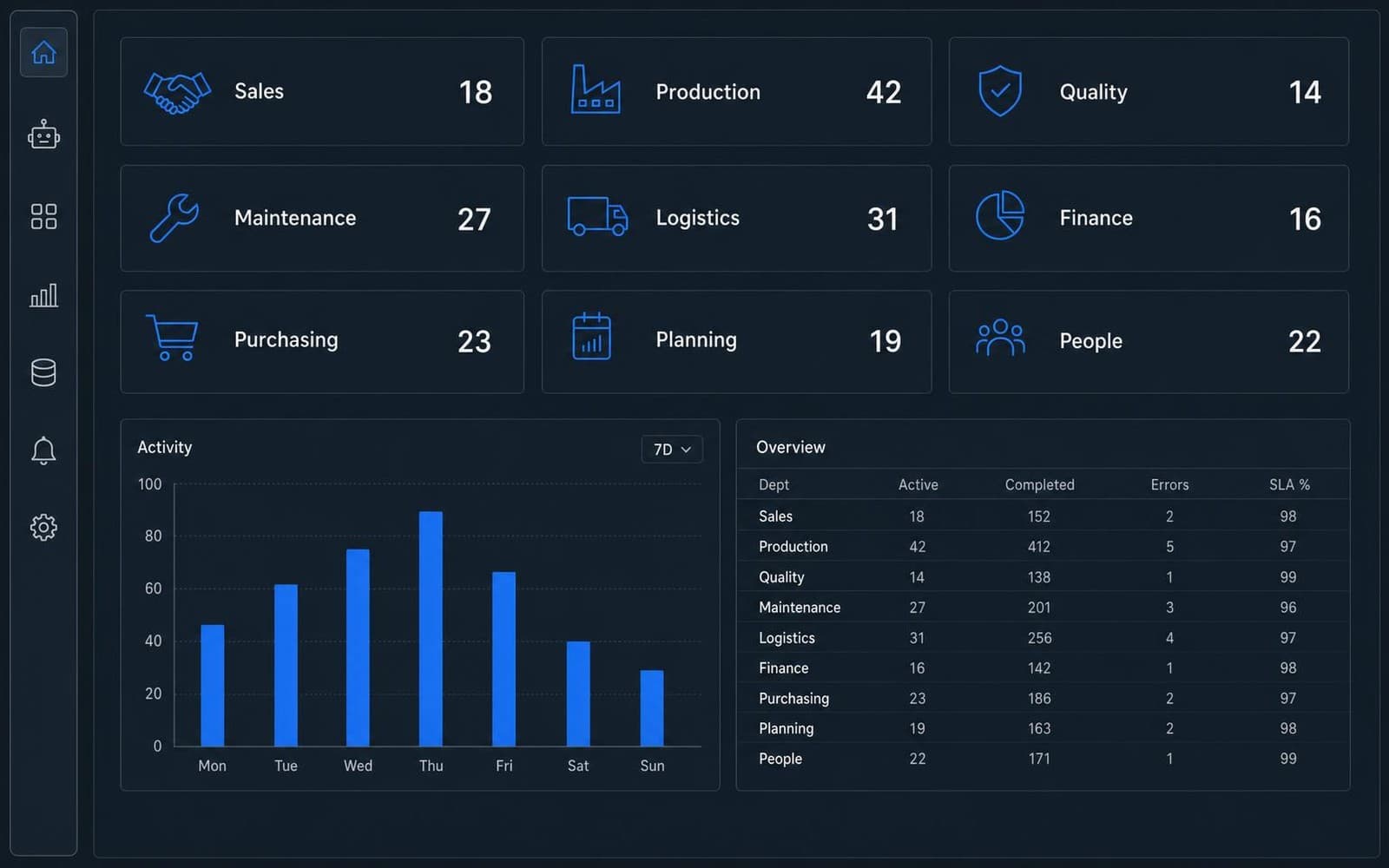
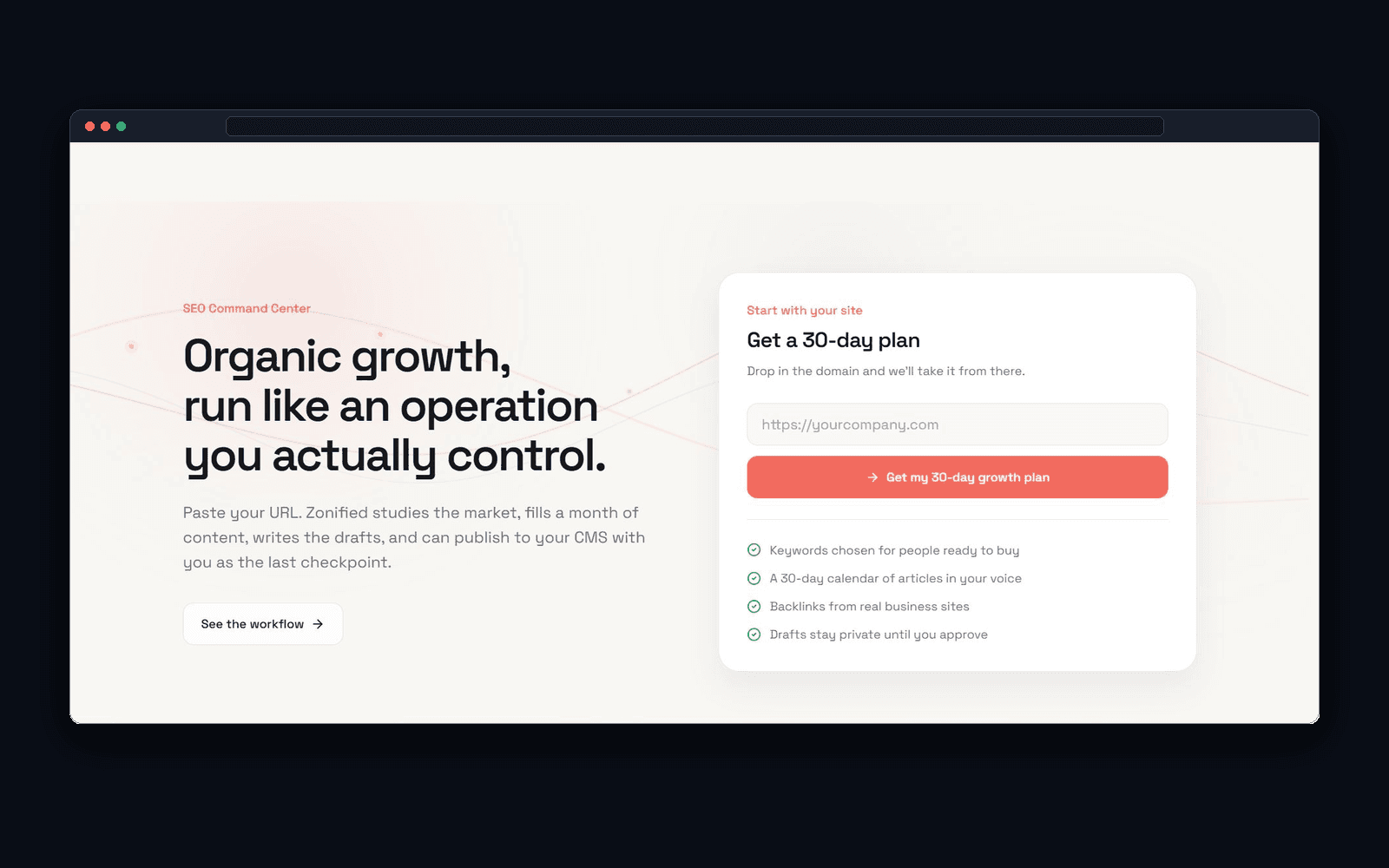
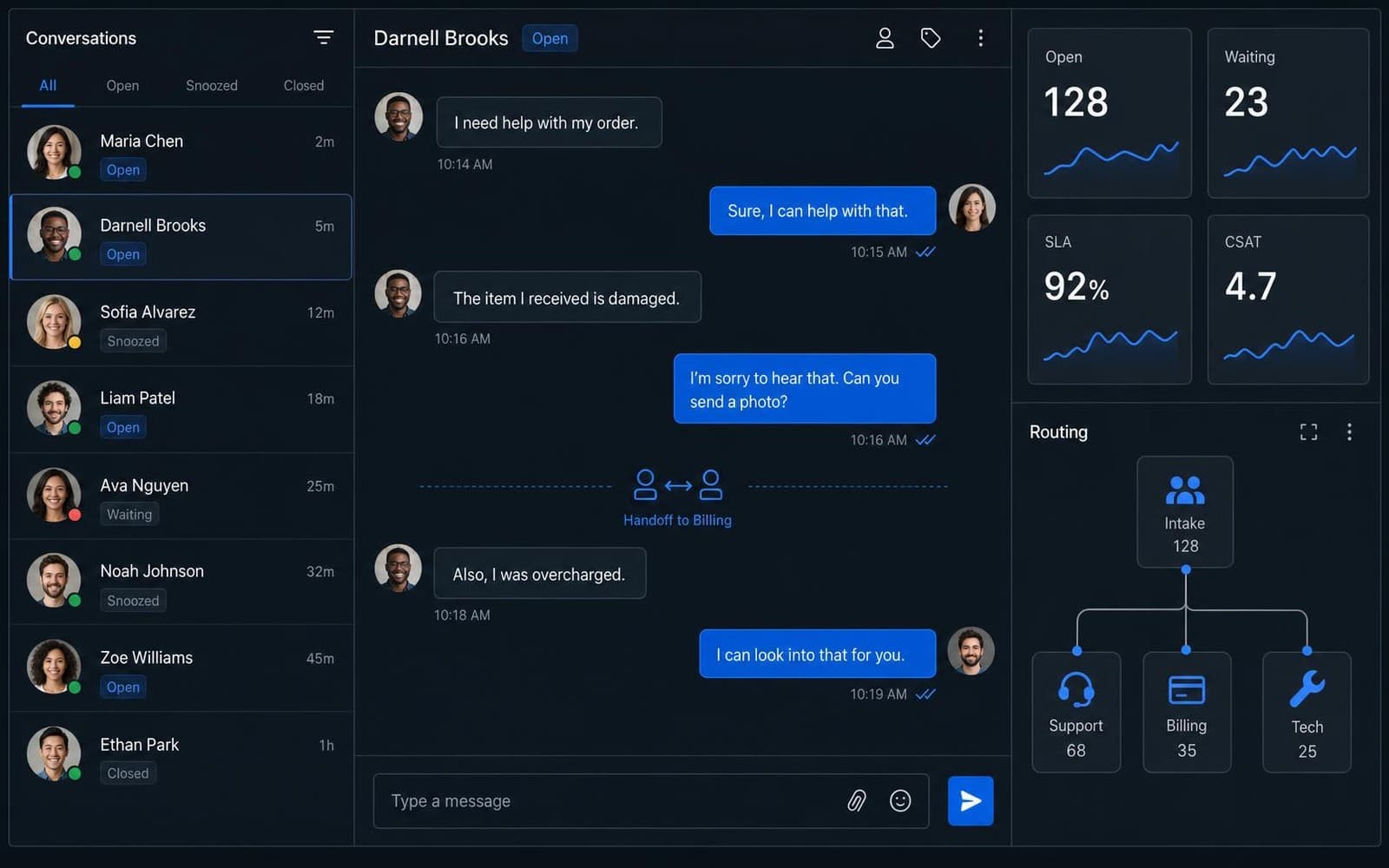
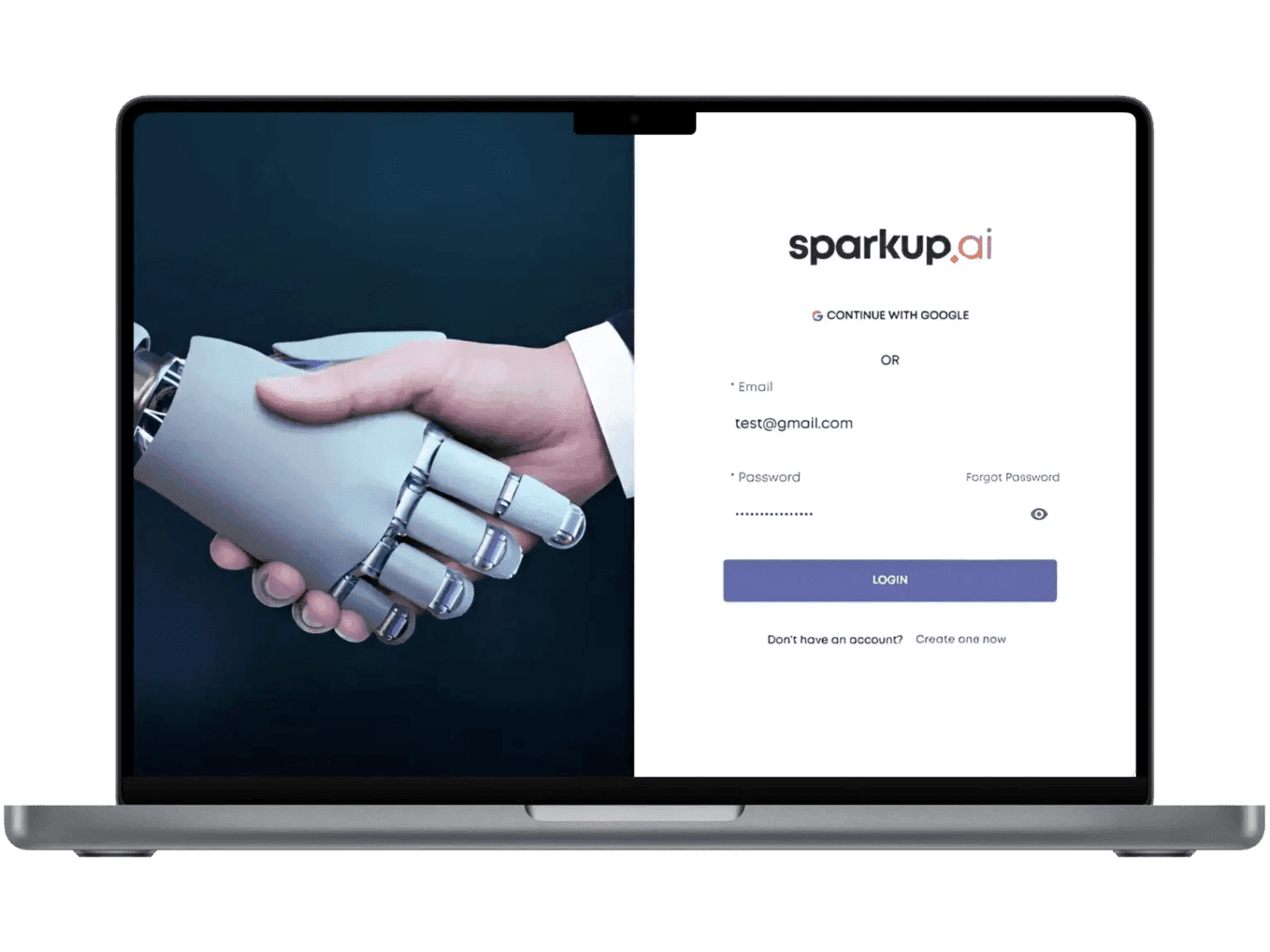
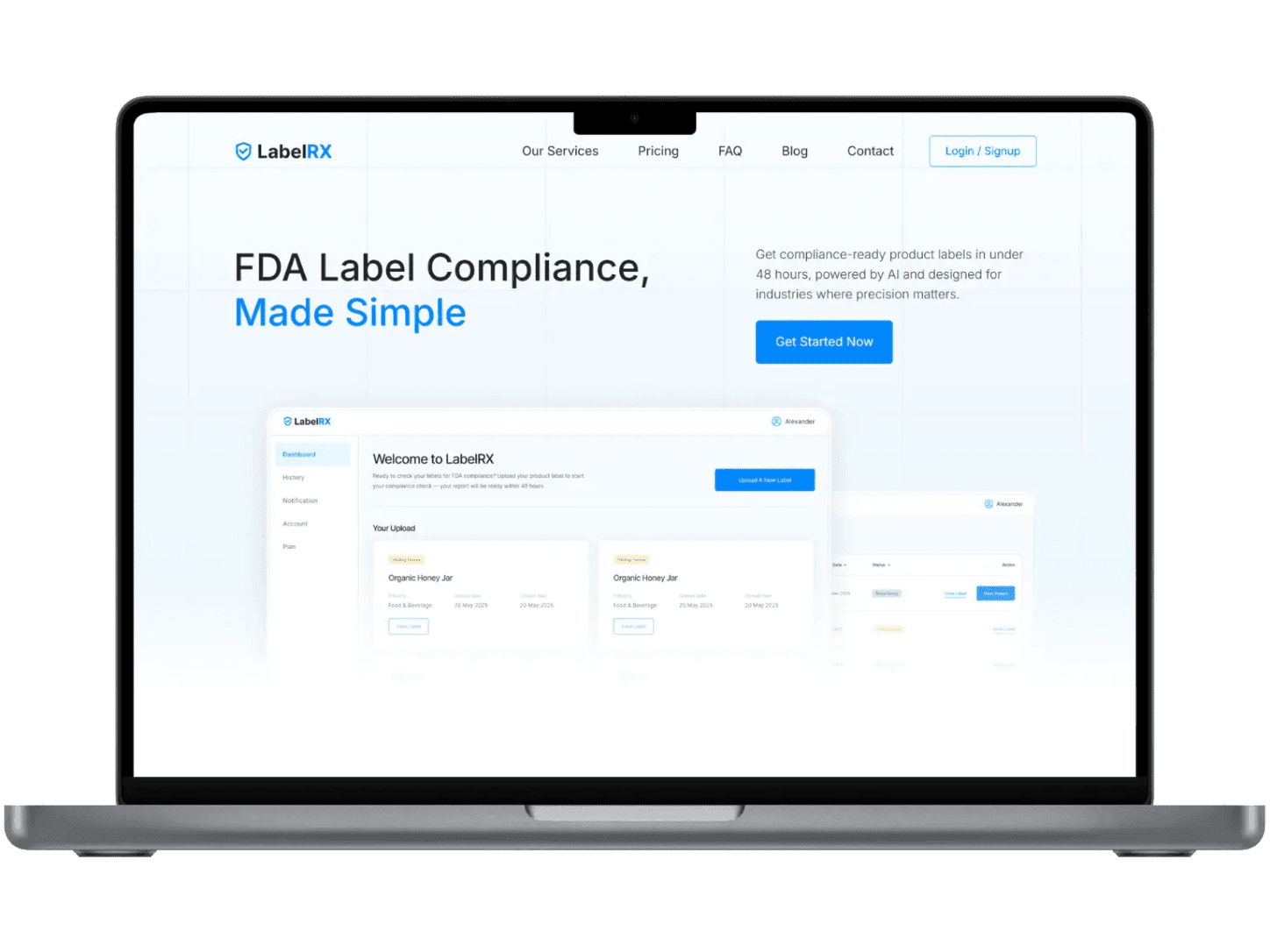
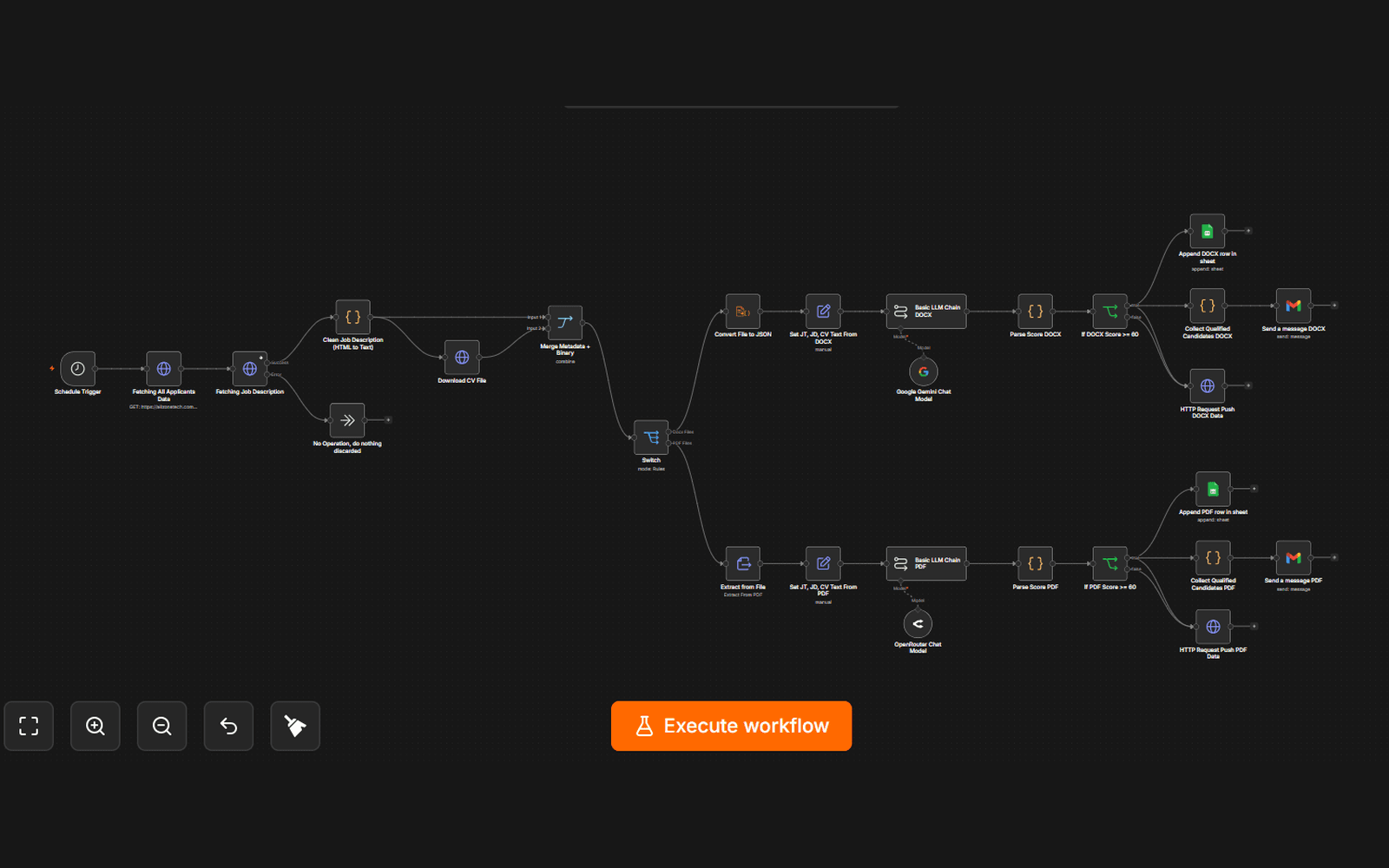
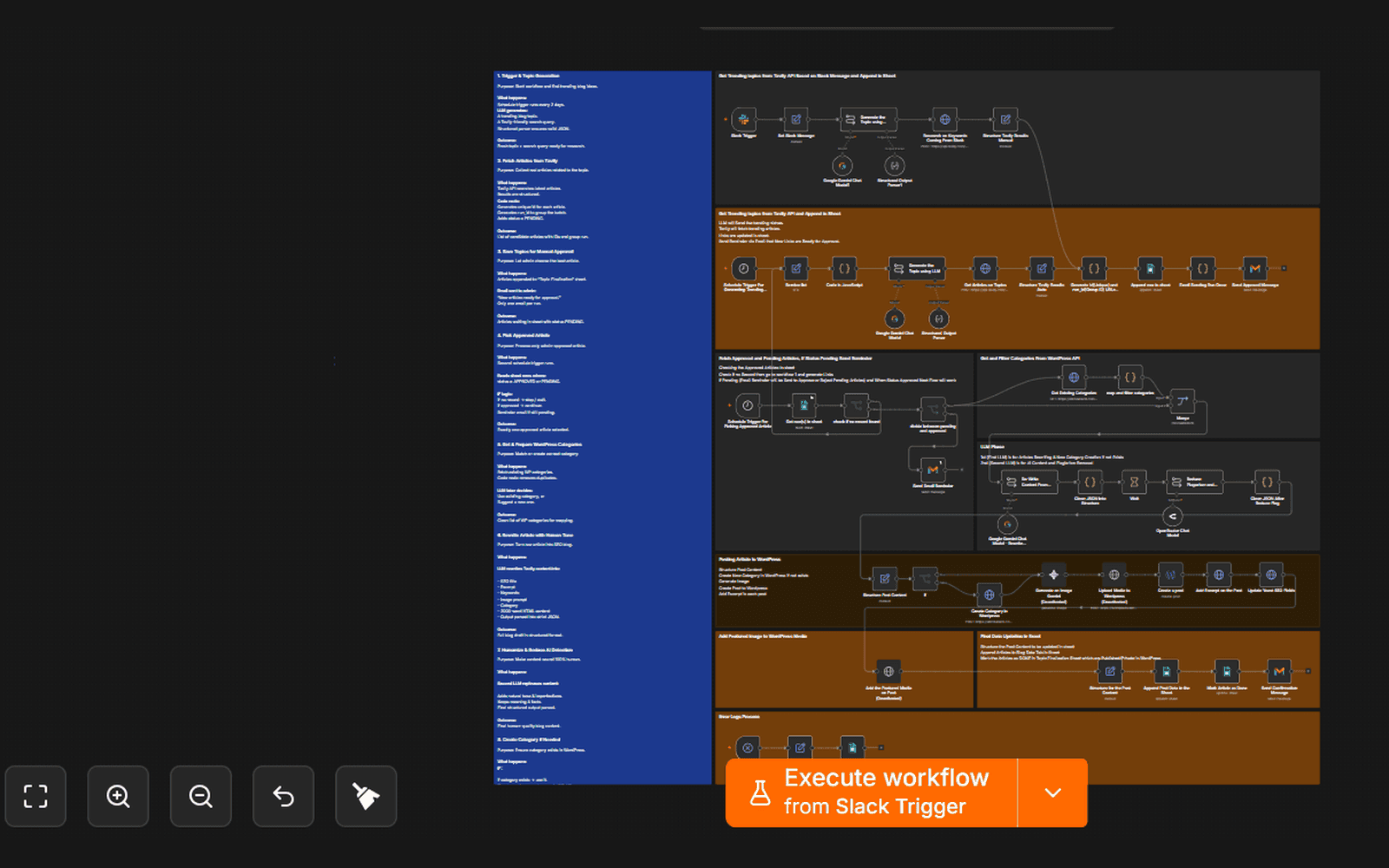
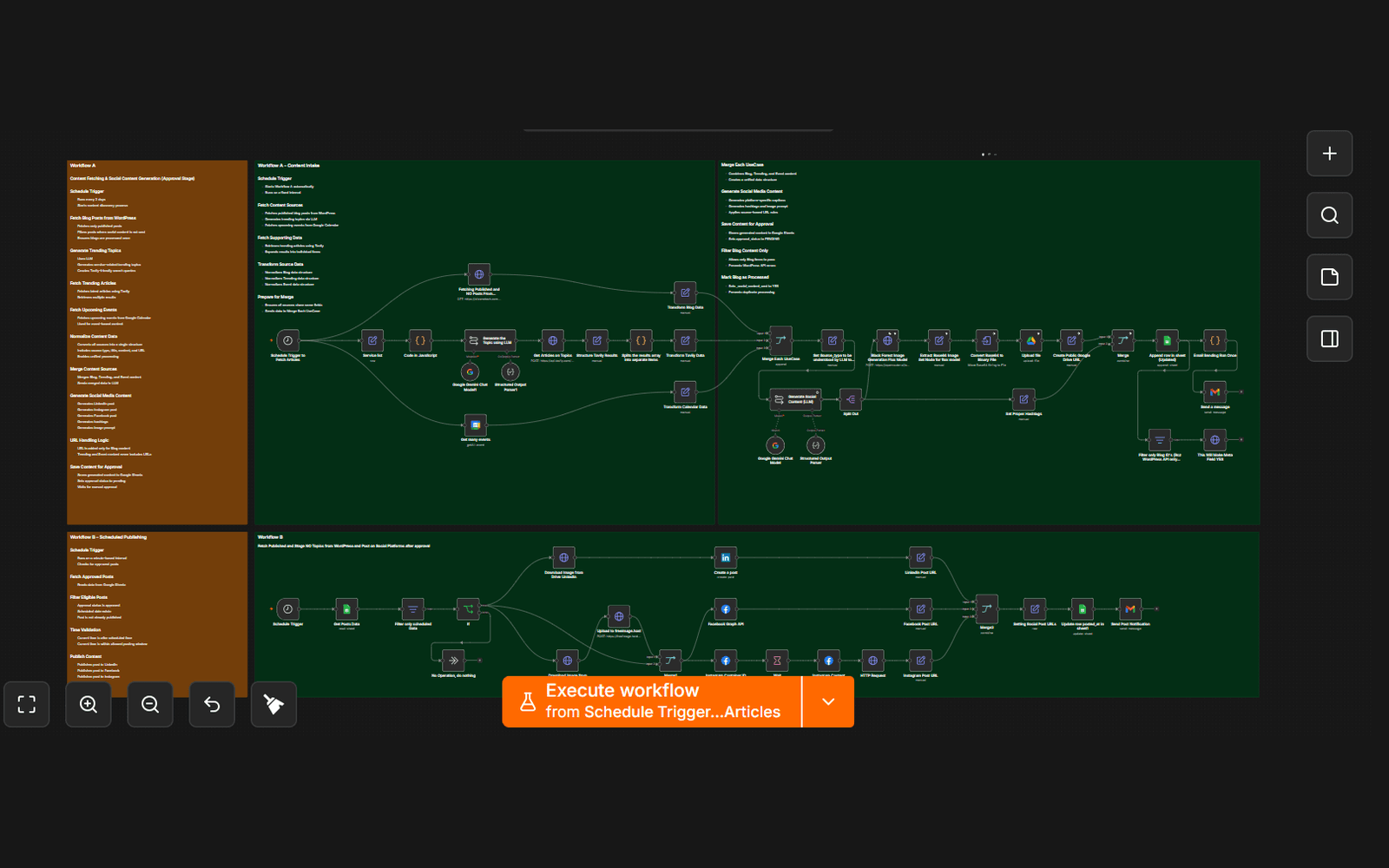
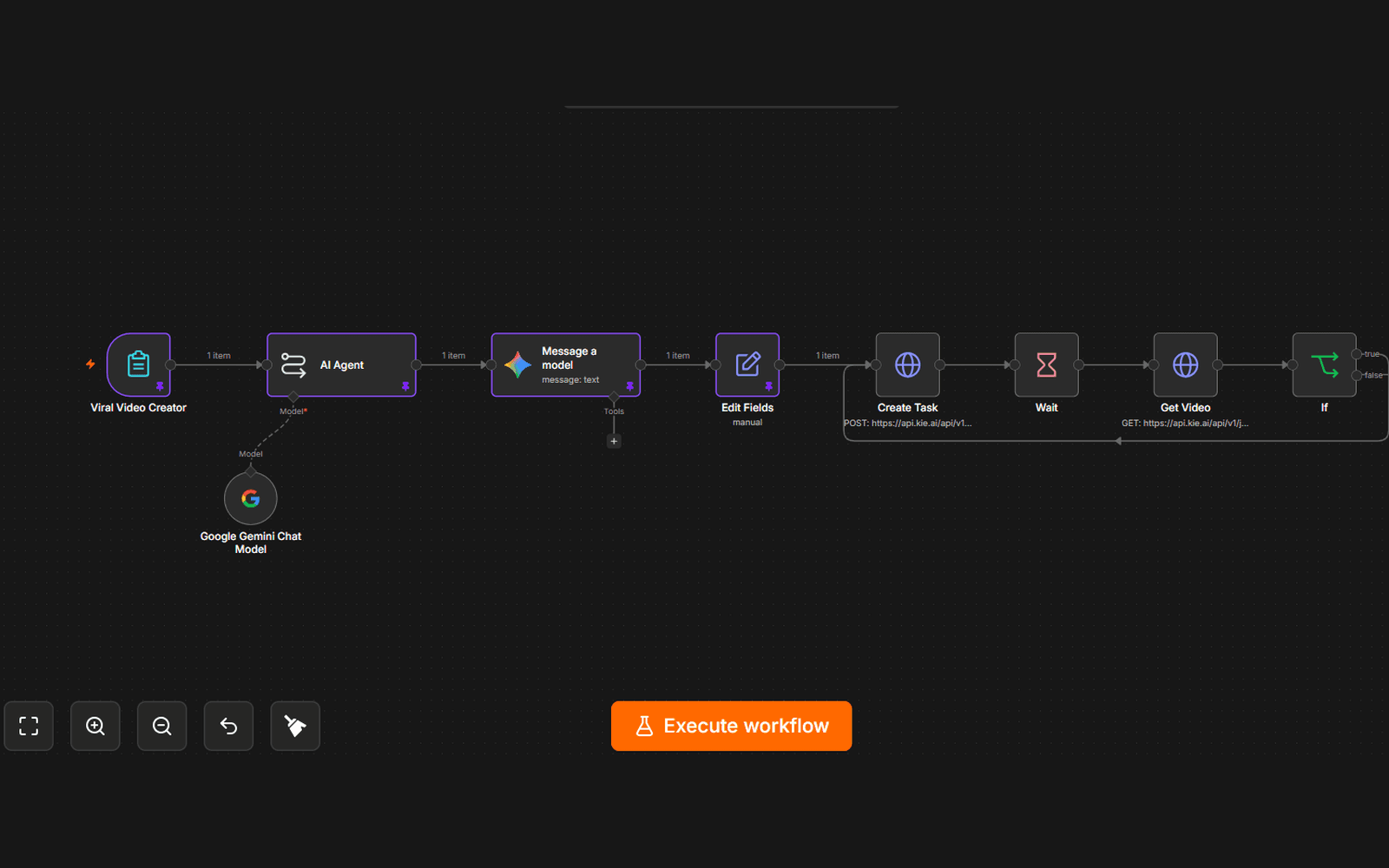
RELEVANT INDUSTRIES
Where domain knowledge changes the answer.
Insurance
Policy, claims and risk systems where regulation and accuracy are the product.
FinTech
Payments, lending and financial platforms where correctness is not negotiable.
Healthcare
Patient systems, clinical workflow and secure data infrastructure.
eCommerce
Custom commerce platforms, order management and marketplace systems.
Tourism
Booking, itinerary and travel management platforms with live inventory.
TECHNICAL INSIGHTS & PRACTICES
Related engineering guides & regional practices.
FAQ
Common questions.
Generative AI development focuses on building systems that produce content: text, images, code or structured output. In a business setting that usually means copilots, document and report generation, customer-facing assistants, and workflow automation where the input is unstructured language rather than a form.
Agentic systems plan actions, call tools and complete multi-step tasks with limited supervision. They matter because they go past single-prompt automation: an agent can work through a process that previously needed a person to coordinate several systems. The engineering challenge is control: knowing what an agent is allowed to do, and proving what it did.
Machine learning is well suited to forecasting, fraud and anomaly detection, recommendation and process optimisation, problems where you have historical data and want a probability rather than a rule. It performs badly where you have little data or where a deterministic rule would be clearer and cheaper, and we will tell you when that is the case.
No technical knowledge is required to start a conversation. Data is more nuanced: some approaches need a substantial historical dataset, others work from documents and systems you already have. Part of the discovery stage is establishing which category your problem falls into before committing to an approach.
With evaluation and observability treated as first-class parts of the build. That means test sets that reflect real inputs, automated evaluation runs against changes, tracing on production requests, and grounding output in retrievable sources so answers can be checked rather than trusted.
NEXT STEP
Tell us what you're building.
Bring us the problem with its real constraints attached. We will tell you what we would build, and what we would not.