PRECISION MANUFACTURING
Manufacturing Agent Platform
A department by department agent platform for a precision manufacturing company, sitting on top of its enterprise data warehouse.
- PROJECT
- Manufacturing Agent Platform
- INDUSTRY
- Precision Manufacturing
- STACK
- Claude Code · Multi-Agent Architecture · MCP · AWS · Microsoft 365 · RBAC · CI/CD
OVERVIEW
The project
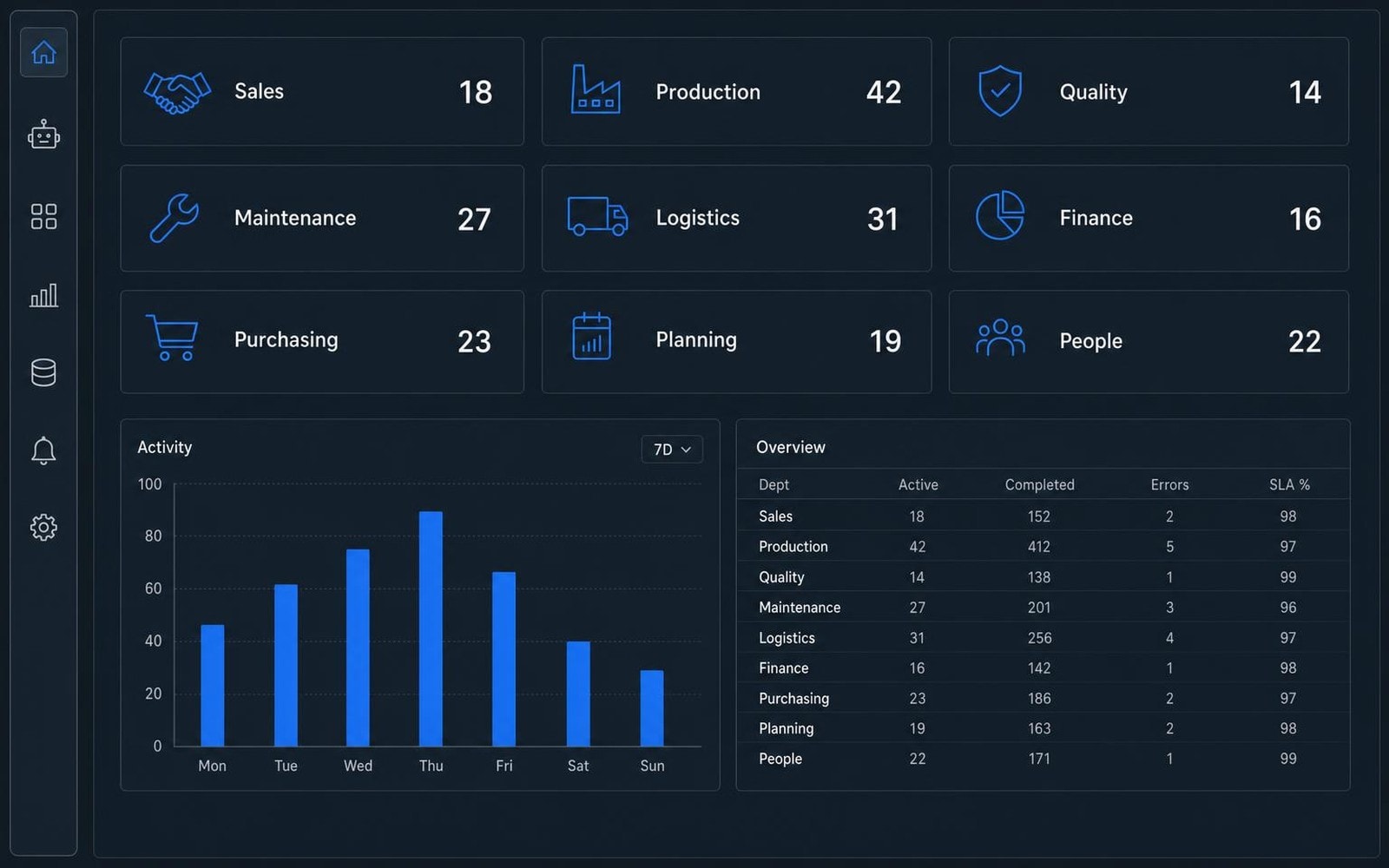
A precision manufacturing company with no in-house AI team needed department level assistants its staff could rely on and its own engineers could maintain afterwards. AllZone built a modular platform of nine department agents over the client's enterprise data warehouse, each agent composed of narrowly scoped subagents mapped to one recurring analysis, report or document workflow.
CHALLENGE
What made it difficult
The organisation had very little written process documentation, so the requirements did not exist in a form anyone could hand over. They had to be captured from the people doing the work, department by department.
Accuracy mattered more than breadth. An assistant that produces a confident but wrong production forecast is worse than no assistant at all, and there was no internal AI team to catch that after handover. Long term maintainability was part of the brief rather than a later concern.
WHAT WE DID
The work delivered.
- 01
Discovery with the people doing the work
Structured workshops and one to one interviews with department leaders and end users, capturing existing workflows, the analyses they wanted and the output formats they expected.
- 02
Nine department agents
A primary agent per department, composed of ninety narrowly scoped subagents in total, each mapped to one recurring report, forecast, document interpretation or data retrieval task.
- 03
Grounding per subagent
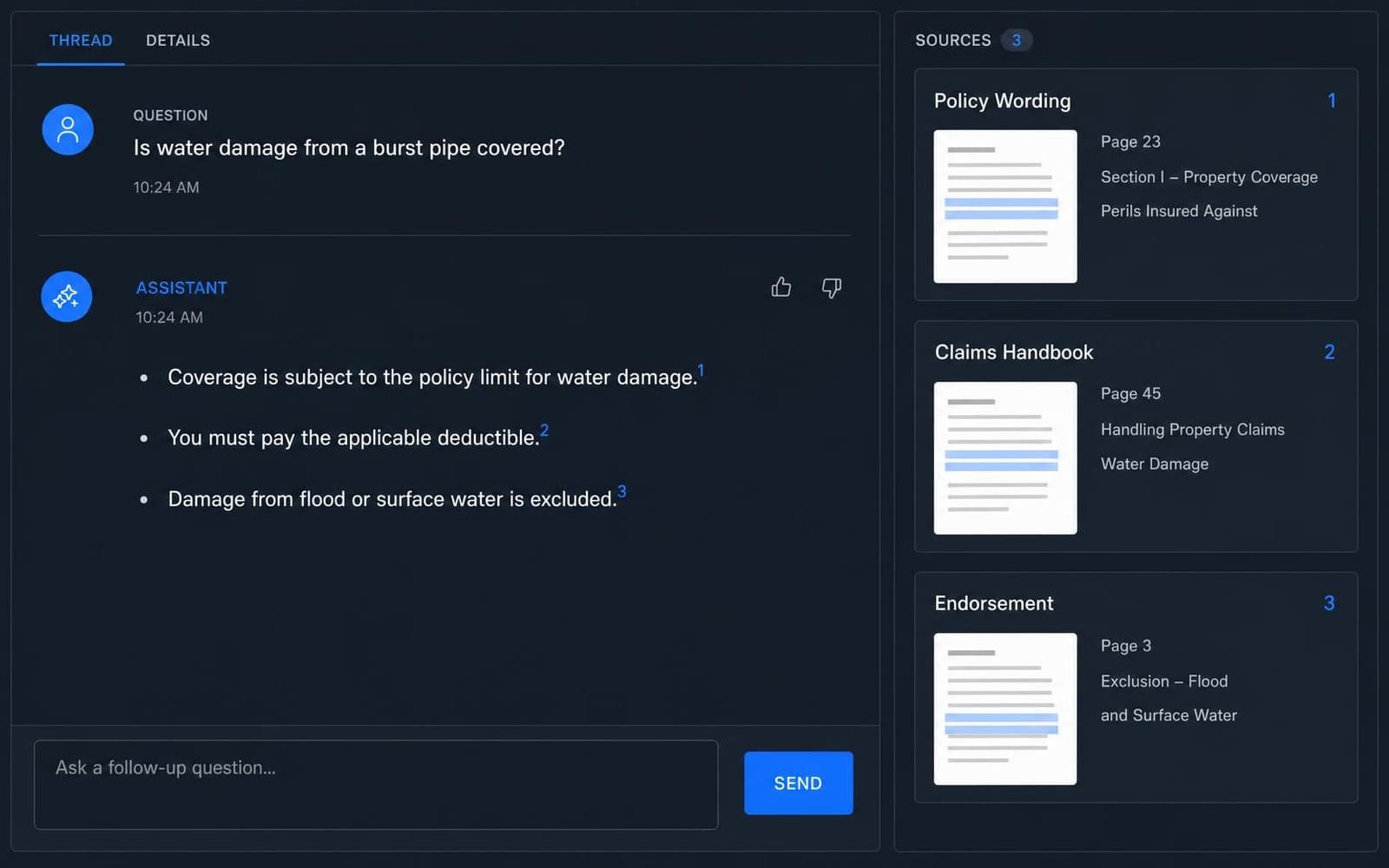
A prompt, context and memory framework for each subagent, paired with reference documentation and guardrails, so answers stay inside verified business rules.
- 04
Warehouse and Microsoft 365 integration
Integration with the client's enterprise data warehouse and Microsoft 365, including interim support for static exports while the warehouse migration was still in progress.
- 05
Validation with client staff
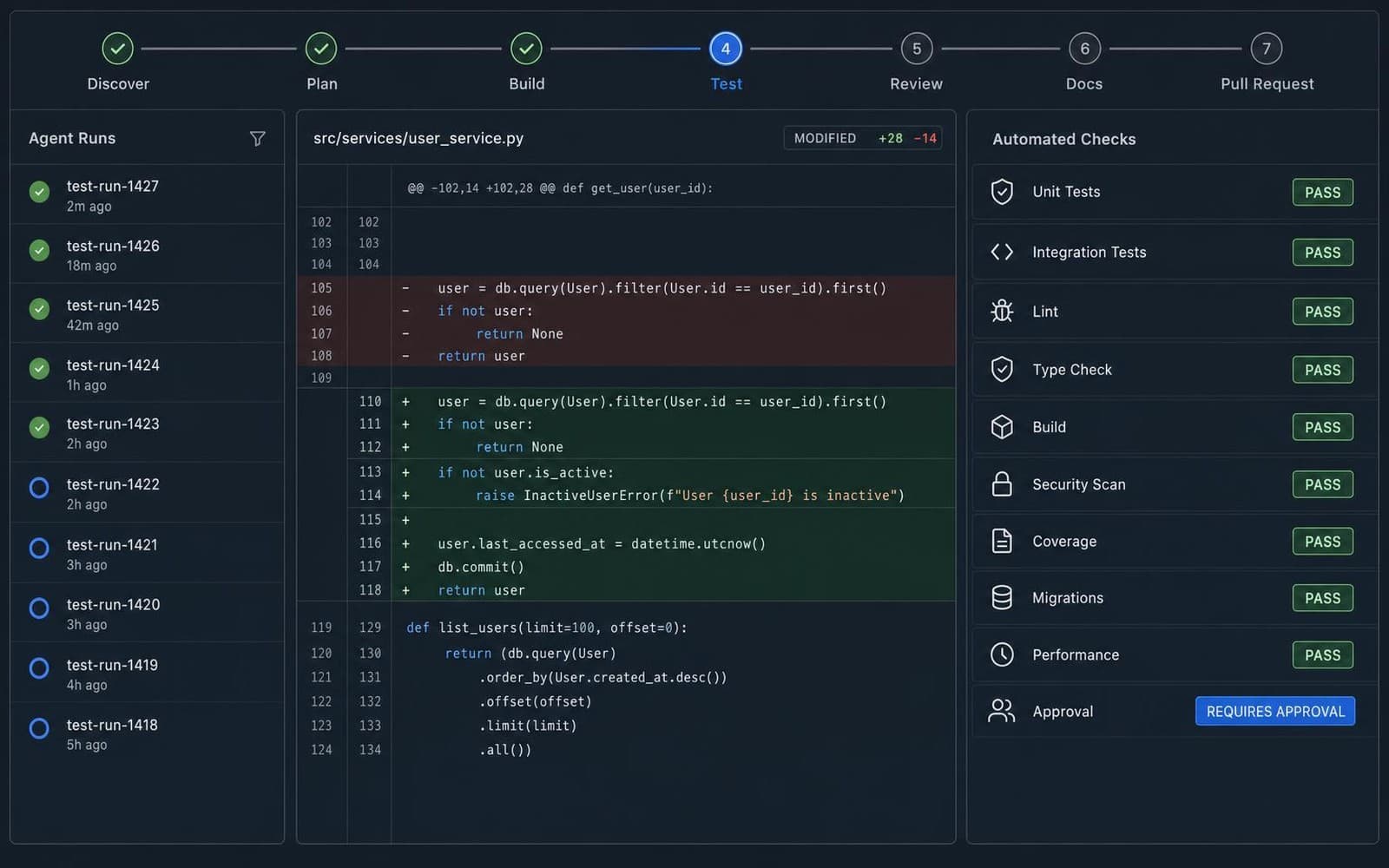
Hands on validation cycles per subagent, comparing output against real business scenarios and iterating until the result was usable in daily operations.
- 06
Handover
Role based access control aligned to department data sensitivity, packaging for end user distribution, training for users and administrators, and architecture and maintenance documentation for the client's own team.
ARCHITECTURE
How it fits together
- Nine primary department agents, each composed of narrowly scoped subagents rather than one general assistant
- Context and memory scoped per subagent, which limits how far an error can propagate across departments
- A reusable subagent design pattern, so each additional department cost less to build than the last
- An integration layer tolerant of a split data estate, working from static exports until warehouse APIs were available
- Role based access control mapped to department level data sensitivity
TECHNOLOGY
The stack
- Claude Code
- Multi-Agent Architecture
- MCP
- AWS
- Microsoft 365
- RBAC
- CI/CD
OUTCOME
What exists now.
Nine departments have assistants scoped to their own recurring work, validated against real scenarios by the staff who use them
Each new department cost less to add than the one before it, because the subagent pattern was built to be reused rather than rebuilt
The client's own team can maintain and extend the platform after handover, with packaged agents, training and architecture documentation rather than a system only its builders understand
NEXT STEP
Tell us what you're building.
Bring us the problem with its real constraints attached. We will tell you what we would build, and what we would not.